
Spring Plumbing Problems in Suffolk County Homes
February 23, 2026
The Hidden Cost of Ignoring Slow Drains
March 9, 2026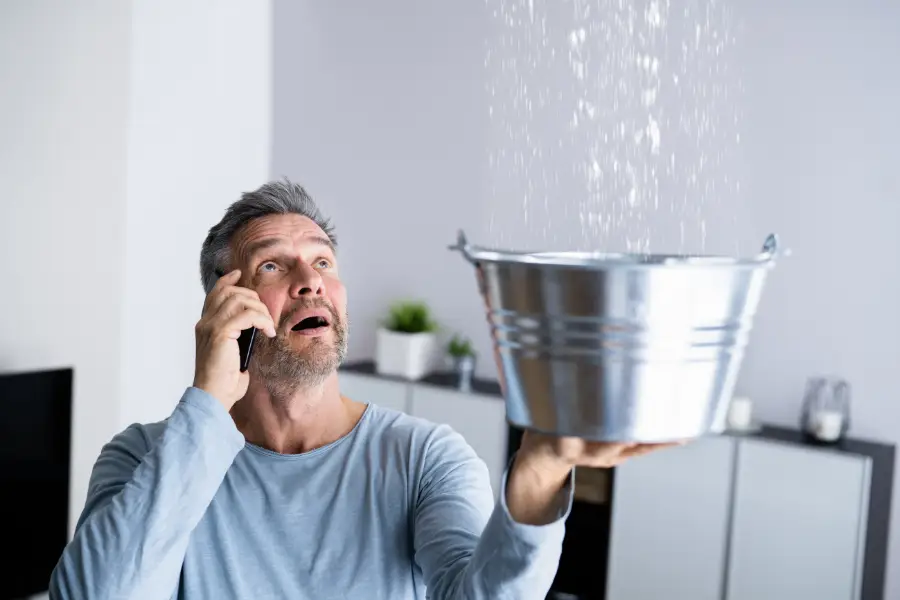
Burst Pipe Repair in Suffolk County – What To Do Immediately
A burst pipe is one of the most damaging plumbing emergencies a Suffolk County homeowner can face. Water can spread behind walls, under flooring, and into structural framing within minutes. In colder months across Long Island, freezing temperatures increase the risk. In older homes, corrosion and aging lines are often the cause.
Knowing what to do immediately can significantly reduce damage. Acting fast — and calling a licensed professional — is the difference between a manageable repair and a major restoration project.
Why Pipes Burst in Suffolk County Homes
Understanding why pipes fail helps homeowners prevent repeat issues.
Freezing Temperatures
Suffolk County winters routinely drop below freezing. When water inside a pipe freezes, it expands. That expansion increases internal pressure until the pipe cracks or splits.
Common freeze-risk areas include:
- Uninsulated crawl spaces
- Exterior walls
- Garage ceilings
- Basement rim joists
- Outdoor hose bib supply lines
Homes in older Long Island neighborhoods are especially vulnerable if insulation was never updated.
Aging or Corroded Piping
Many homes throughout Suffolk County still have older copper or galvanized lines. Over time:
- Corrosion thins pipe walls
- Mineral buildup restricts flow
- Pressure stress weakens joints
Eventually, the pipe gives out — sometimes without warning.
Excess Water Pressure
High water pressure strains plumbing systems. If your pressure regulator fails, internal stress increases across every joint and fitting. That stress often shows up at the weakest point in the system.
Poor Installation or DIY Modifications
Improperly supported pipes, incorrect fittings, or low-grade materials can fail years later. What looks stable today can rupture under temperature swings or pressure spikes.
If you suspect an installation issue, professional evaluation is critical before the next failure occurs.
What To Do Immediately If a Pipe Bursts
Time matters. Follow these steps in order.
1. Shut Off the Main Water Supply
Locate your main shut-off valve immediately. In most Suffolk County homes, it is found:
- In the basement near the front foundation wall
- Near the water meter
- In a utility closet
Turning this valve off stops active flooding.
If you cannot locate or operate the valve, call for immediate help via the (Internal link to Emergency Plumbing page).
2. Turn Off Electricity in Affected Areas
If water is pooling near electrical outlets, appliances, or your breaker panel, shut off power to that area. Water and electricity are a dangerous combination.
Do not step into standing water if electrical exposure is possible.
3. Drain Remaining Water in the System
Open cold water faucets at the lowest level of the home. This relieves pressure and drains remaining water from the system.
Flush toilets once to clear supply lines.
4. Contain the Damage
While waiting for a plumber:
- Use towels or buckets to control water
- Move furniture away from affected areas
- Use fans to improve air circulation
Quick drying reduces mold risk and structural damage.
5. Call a Licensed Suffolk County Plumber
Temporary patches are not permanent solutions. Even if the visible leak seems minor, the pipe has already failed under pressure.
Immediate professional repair prevents further structural damage and future failures.
Signs a Pipe Has Burst (Even If You Don’t See It)
Not every burst pipe floods a room instantly. Some leaks occur inside walls or ceilings.
Watch for these warning signs:
- Sudden drop in water pressure
- Water stains on ceilings or drywall
- Unexplained pooling on floors
- Mold or mildew smell
- Spike in your water bill
- Sound of running water behind walls
Hidden leaks often cause more damage than visible ones because they go unnoticed longer.
If you notice any of these symptoms, it’s time for inspection.
The Real Cost of Waiting
Delaying burst pipe repair increases damage exponentially.
Within minutes:
- Drywall absorbs moisture
- Insulation becomes saturated
Within hours:
- Hardwood flooring begins to warp
- Subfloor materials swell
Within 24–48 hours:
- Mold growth can begin
Structural framing can weaken
What could have been a controlled plumbing repair quickly becomes:
- Water damage restoration
- Mold remediation
- Flooring replacement
- Insurance claims
Prompt response limits long-term cost and disruption.
How Burst Pipe Repair Is Handled Professionally
A licensed plumber does more than patch a visible crack.
Step 1: Locate the Exact Failure Point
In some cases, walls must be opened to access the damaged section. Advanced diagnostic methods help minimize unnecessary demolition.
Step 2: Remove the Damaged Section
The compromised pipe section is removed entirely. Repairs may involve:
- Copper pipe replacement
- PEX re-piping
- Joint reconfiguration
- Pressure regulator evaluation
Step 3: Pressure Testing
After repair, the system is tested under pressure to ensure no additional weaknesses exist.
Step 4: Preventative Recommendations
If the failure was caused by freezing, insulation improvements may be recommended. If corrosion is widespread, partial or full re-piping may be discussed.
Preventative upgrades protect your Suffolk County home long-term.
When a Burst Pipe Becomes an Emergency
Some situations require immediate response:
- Active flooding that cannot be contained
- Burst pipe affecting multiple fixtures
- Water entering electrical areas
- Slab leaks
- Commercial property disruptions
In these cases, do not delay. Contact a licensed emergency plumber immediately via the (Internal link to Emergency Plumbing page).
Fast dispatch limits structural damage and protects your property.
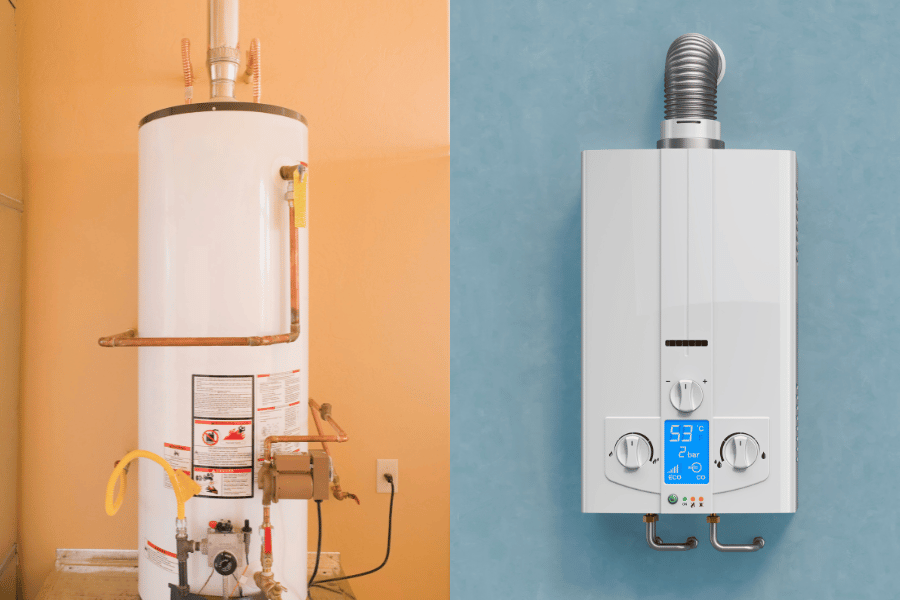
Burst Pipes and Water Heater Connections
Water heater supply lines are common failure points — especially in older installations.
Signs of a failing water heater connection include:
- Corrosion at the inlet or outlet
- Rust-colored water
- Leaks around shut-off valves
- Fluctuating water pressure
If the burst originates near your heater and the system is aging, it may be more cost-effective to evaluate full replacement.
You can review options for upgrading through the (Internal link to Water Heater Installation page).
Proactive replacement often prevents repeat emergencies.
Prevention Strategies for Suffolk County Homeowners
While not all bursts are preventable, risk can be reduced.
Insulate Exposed Pipes
Add insulation sleeves in:
- Basements
- Crawl spaces
- Garage ceilings
- Exterior wall cavities
Maintain Proper Indoor Temperatures
Never let interior temperatures drop below 55°F during winter — even if away.
Install a Pressure Regulator
Keep household water pressure within safe limits (typically 40–60 PSI).
Schedule Plumbing Inspections
Routine inspections identify corrosion, weak joints, and aging materials before failure.
A small proactive repair is far less disruptive than emergency response.
Why Local Experience Matters
Suffolk County homes vary widely — from older North Shore properties to newer construction in western towns. Soil conditions, freezing exposure, municipal water quality, and pipe materials differ across Long Island.
A plumber familiar with local housing stock understands:
- Common freeze points
- Typical pipe materials by neighborhood
- Local code requirements
- Water pressure trends
That experience speeds diagnosis and improves long-term repair outcomes.
For full-service support across the county, homeowners rely on the expertise found on vpplumbing.com.
When to Call Immediately
If you experience:
- Visible pipe rupture
- Sudden flooding
- Significant water pressure loss
- Ceiling leaks
- Winter freeze damage
Do not attempt a long-term fix yourself.
Burst pipe repair requires proper materials, pressure testing, and code-compliant installation. Temporary patches fail under pressure and can worsen damage.
Immediate action protects your property and prevents secondary damage.
Plumbing emergencies can be stressful, but knowing how to respond and who to call makes all the difference. From burst pipes to sewer backups, Suffolk County residents can rely on VP Plumbing & Heating for fast, professional emergency plumbing services.
Need Help? Call 516-659-3368:
Facing a plumbing emergency? Contact VP Plumbing & Heating 24/7 for reliable emergency plumbing services in Suffolk County.
Visit our Emergency Plumbing Services page for more details on our services for Suffolk County residents.