
Hard Water in Suffolk County: How It Damages Pipes & Water Heaters
July 8, 2026
Fall Plumbing Prep Checklist (Homeowner Edition)
By late August, most Suffolk County homeowners aren’t thinking about winter plumbing problems.
But this is exactly when preventative action matters most.
Frozen pipes, burst hose bibs, sump pump failures, and emergency service calls in December often trace back to issues that could have been addressed weeks earlier.
Early fall plumbing preparation is less about reacting to cold weather — and more about protecting your home before temperature swings begin.
Here’s what homeowners should evaluate before heading into the colder months.
Why Late Summer Is the Right Time to Prepare
Waiting until November to inspect your plumbing system leaves little room for scheduling service or addressing hidden issues.
In Suffolk County, early fall preparation allows you to:
- Identify vulnerable exterior fixtures
- Inspect exposed interior piping
- Evaluate drainage systems before heavy rainfall
- Service water heaters before peak winter demand
Once temperatures drop suddenly — which often happens on Long Island — plumbing weaknesses become emergencies quickly.
Shut Down & Protect Exterior Water Lines
Outdoor plumbing is the most common source of winter damage.
Even a brief freeze can split a hose bib or crack a pipe inside the wall.
Homeowners should:
- Disconnect and store garden hoses
- Shut off interior valves feeding exterior spigots
- Drain hose bibs completely
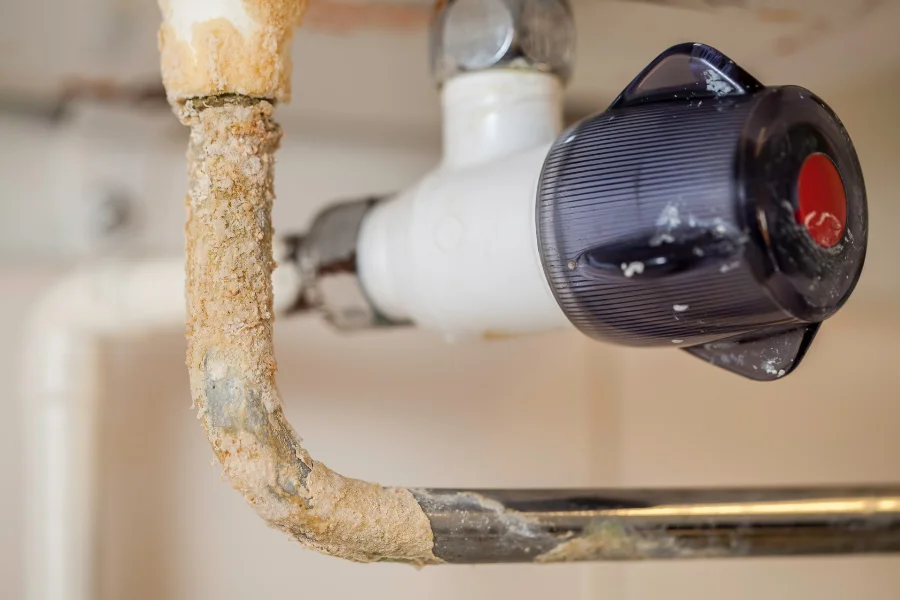
- Inspect for visible cracks or corrosion
- Install insulated faucet covers where appropriate
Many burst pipe calls we receive in winter start with improperly drained exterior fixtures.
Evaluate Your Water Heater Before Demand Increases
Water heaters work harder once colder weather arrives.
Late summer or early fall is an ideal time to:
- Flush sediment from the tank
- Inspect the pressure relief valve
- Check for corrosion around fittings
- Ensure efficient burner or heating element performance
In Suffolk County homes with hard water, sediment buildup can significantly reduce winter efficiency if left untreated.
Check Sump Pumps & Drainage Systems
Fall brings increased rainfall, and in many parts of Long Island, groundwater levels fluctuate seasonally.
Before heavy rain begins:
- Test your sump pump manually
- Inspect discharge lines for blockages
- Confirm water exits away from the foundation
- Clear exterior drains of debris
Basement flooding during fall storms is often preventable with routine inspection.
Address Slow Drains Before Winter Indoor Usage Increases
As families spend more time indoors during colder months, plumbing usage rises.
Any slow drain in late summer should be evaluated before winter.
Ignoring slow drainage can result in:
- Holiday backups
- Main line blockages
- Increased strain on aging sewer lines
Preventative drain cleaning before winter reduces the likelihood of emergency service calls during peak season.
Watch for Early Warning Signs
Late summer is also a good time to look for:
- Fluctuating water pressure
- Discolored water
- Unusual noises in pipes
- Minor leaks around fixtures
These small signs often indicate larger underlying issues that become more pronounced during temperature changes.
The Cost of Waiting
Winter plumbing emergencies are disruptive and often more expensive.
Burst pipes can cause:
- Structural water damage
- Mold growth
- Flooring and drywall replacement
- Emergency service fees
Fall preparation is not about over-maintenance — it’s about risk reduction.
Final Thought
August may feel early to think about winter plumbing, but proactive homeowners understand that prevention always costs less than emergency repair.
Preparing your Suffolk County plumbing system before temperatures fluctuate protects your pipes, fixtures, and foundation from seasonal stress.
Before colder weather arrives, schedule a professional inspection to ensure your plumbing system is ready.
Need help? Contact VP Plumbing & Heating today to schedule fall plumbing preparation services in Suffolk County. Our experienced team can identify vulnerabilities early and help you avoid costly winter repairs.