

Summer HVAC + Plumbing Synergy: Keeping Cool Without Plumbing Disasters
June 10, 2026
Fall Plumbing Prep Checklist (Homeowner Edition)
August 18, 2026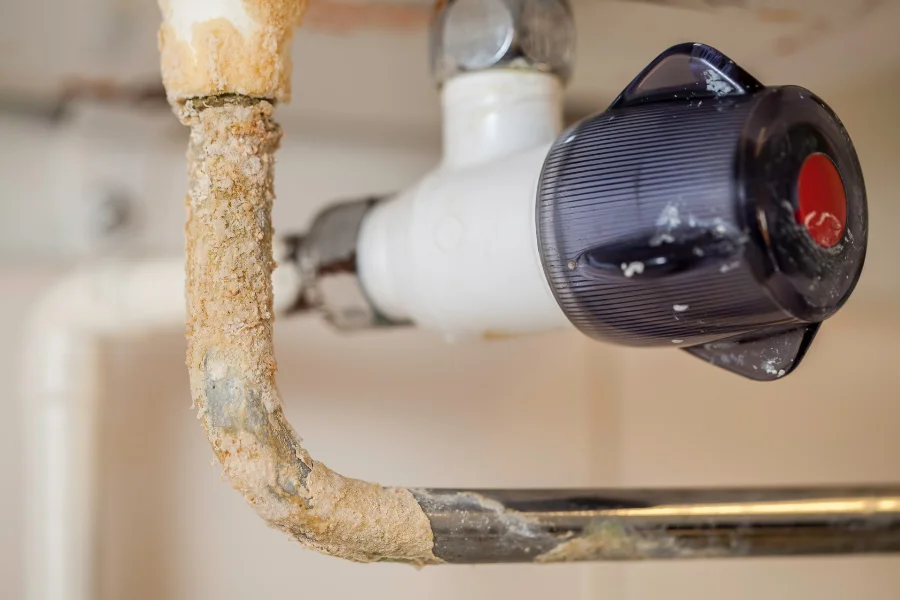
How Hard Water Affects Plumbing in Suffolk County Homes
Hard water is a common issue across Suffolk County and much of Long Island. While it may seem like a minor inconvenience — spots on dishes, soap that doesn’t lather well — the long-term impact on your plumbing system is far more serious.
Mineral-heavy water slowly damages pipes, water heaters, fixtures, and appliances. Over time, that buildup restricts flow, reduces efficiency, and shortens equipment lifespan.
If you own a home in Suffolk County, understanding how hard water affects your plumbing can help you prevent expensive repairs and premature replacements.
What Is Hard Water?
Hard water contains elevated levels of dissolved minerals — primarily calcium and magnesium. These minerals are naturally present in groundwater, which supplies much of Suffolk County.
As water moves through soil and rock, it absorbs mineral deposits. When that water enters your plumbing system, those minerals remain behind as scale.
Scale buildup is the core issue.
Why Hard Water Is Common in Suffolk County
Suffolk County relies heavily on groundwater drawn from aquifers beneath Long Island. While safe to drink, this water often contains measurable mineral content.
Local conditions that contribute to hard water include:
- Mineral-rich soil composition
- Shallow groundwater sources
- Limited natural filtration through surface reservoirs
The result is water that leaves behind deposits inside plumbing systems over time.
Many homeowners assume spotting or residue is cosmetic. In reality, it can be a warning sign of mineral accumulation inside your pipes.
How Hard Water Damages Plumbing Systems
Hard water damage happens gradually. The effects compound over years.
1. Scale Buildup Inside Pipes
As mineral-rich water flows through pipes, calcium deposits attach to pipe walls. This narrows the internal diameter.
Consequences include:
- Reduced water pressure
- Slower fixture performance
- Increased strain on the plumbing system
- Greater risk of clogs
In older Suffolk County homes with copper or galvanized piping, buildup can accelerate corrosion and structural weakness.
Eventually, pipes may crack or fail, leading to leaks or even emergency situations requiring immediate service.
2. Water Heater Efficiency Loss
Water heaters are particularly vulnerable to hard water damage.
When heated, minerals separate and settle at the bottom of the tank. Over time, sediment buildup:
- Reduces heating efficiency
- Forces burners or heating elements to work harder
- Increases energy costs
- Causes popping or rumbling noises
- Shortens tank lifespan
In severe cases, sediment can contribute to overheating and tank failure.
If your water heater is struggling due to mineral accumulation, it may be time to evaluate professional flushing, repair, or replacement. Learn more about our water heater installation services in Suffolk County.
Hard water is one of the leading contributors to early water heater failure in Suffolk County homes.
3. Fixture and Faucet Damage
Mineral deposits can clog aerators and cartridges inside common plumbing fixtures, including:
- Kitchen faucets
- Showerheads
- Bathroom sinks
This can lead to:
- Uneven spray patterns
- Dripping fixtures
- Reduced water flow
Over time, internal components wear out faster and require replacement.
While fixtures may seem inexpensive individually, repeated replacements add up.
4. Appliance Wear and Tear
Appliances that use water — including dishwashers and washing machines — suffer from scale buildup as well.
Mineral deposits reduce internal efficiency, increase operating time, and contribute to:
- Higher utility bills
- Premature appliance failure
- Residue on clothing and dishes
Hard water quietly increases overall home operating costs.
Signs You Have Hard Water in Your Suffolk County Home
Some indicators are obvious. Others are subtle.
Common signs include:
- White chalky residue on faucets
- Soap scum buildup in showers
- Dry skin or dull hair after bathing
- Cloudy glassware
- Reduced water pressure
- Shortened water heater lifespan
If you notice multiple symptoms, your plumbing system is likely accumulating mineral scale internally.
The Long-Term Cost of Ignoring Hard Water
Hard water does not usually cause sudden damage. It causes steady degradation.
Over time, homeowners may face:
- Pipe replacement
- Water heater replacement
- Fixture upgrades
- Appliance replacement
- Increased energy bills
The longer mineral buildup continues, the more extensive the repair may become.
In extreme cases, narrowed pipes combined with corrosion can contribute to leaks or bursts — especially during winter freezes.
Hard Water and Water Pressure Issues
Many Suffolk County homeowners call about declining water pressure without realizing hard water may be part of the problem.
As scale accumulates, internal pipe diameter shrinks. Even minor buildup can restrict flow.
Pressure problems may begin at:
- Showerheads
- Hot water lines
- Upper floors
Eventually, the issue can affect the entire system.
Professional inspection can determine whether pressure issues stem from mineral buildup, aging piping, regulator problems, or another plumbing concern.
Can Hard Water Be Removed?
While minerals cannot be eliminated from groundwater before it enters your home, they can be managed.
Water Softening Systems
Water softeners work by exchanging calcium and magnesium ions with sodium or potassium ions. This process reduces scale formation.
Benefits include:
- Improved water heater efficiency
- Extended plumbing lifespan
- Reduced fixture buildup
- Better soap performance
For Suffolk County homeowners planning long-term occupancy, softening systems can significantly reduce cumulative plumbing damage.
Routine Maintenance
Even without a softener, proactive maintenance helps limit scale-related damage.
Helpful maintenance steps include:
- Annual water heater flushing
- Aerator cleaning
- Pressure monitoring
- Periodic plumbing inspections
These steps can help limit scale accumulation before it becomes destructive.
A licensed Suffolk County plumber can evaluate your system and recommend appropriate protection measures.
When Hard Water Leads to Emergency Repairs
Although gradual, hard water damage can contribute to emergency plumbing issues, including:
- Burst pipes due to weakened walls
- Water heater tank failure
- Severe flow restriction
- Joint leaks
If mineral buildup has already caused a leak or rupture, immediate response is critical. In those situations, contact a licensed professional.
Acting quickly helps prevent secondary structural damage.
Why Local Plumbing Experience Matters
Hard water levels vary across different areas of Suffolk County. A plumber familiar with Long Island groundwater conditions understands:
- Typical mineral concentrations
- Common pipe materials used locally
- Water heater lifespan trends
- Pressure variations across neighborhoods
This local insight leads to accurate diagnosis and practical long-term solutions.
For complete plumbing support involving pipe issues, fixture problems, water pressure concerns, water heaters, leaks, and related repair needs, homeowners can learn more about our Suffolk County plumbing services.
Should You Be Concerned?
If your home is more than 10–15 years old and has never been evaluated for mineral buildup, the answer may be yes.
Hard water does not resolve itself. It compounds.
Early intervention may involve simple maintenance. Waiting may result in major replacement costs.
Protecting Your Plumbing Investment
Your plumbing system is one of the most critical infrastructures in your home. Hard water slowly erodes that investment.
By monitoring water pressure, maintaining your water heater, addressing buildup early, and considering long-term water treatment options, you can reduce repair frequency and extend system lifespan.
If you suspect hard water is impacting your plumbing in Suffolk County, a professional assessment can clarify your next step.
Final Thought
Hard water doesn’t create immediate emergencies — it creates long-term wear.
Over time, that wear affects pipes, water heaters, fixtures, and appliances throughout your home.
Addressing mineral buildup early can improve efficiency, extend equipment lifespan, and reduce repair costs.
If you’re noticing signs of mineral buildup or declining water pressure in your Suffolk County home, it may be time to evaluate your water quality.
Need help? Contact VP Plumbing & Heating today to discuss water treatment options and preventative plumbing solutions designed for Long Island properties.