
Some Of The Best Water Saving Plumbing Products For Your Home
December 5, 2022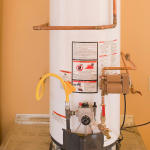
Water Heater Replacement Guide: Signs, Solutions, and Expert Tips
May 26, 2023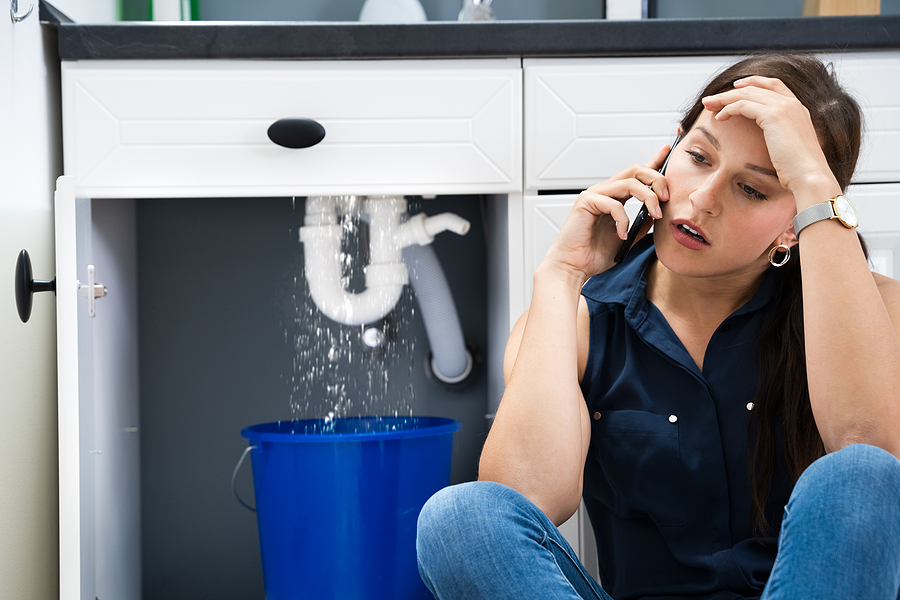
Tips For Spring Plumbing Maintenance
When you hear the term spring cleaning, you probably think about dusting hard-to-reach areas, donating old clothes, and getting the yard ready for warmer weather. But many homeowners do not think about their home’s plumbing system until something goes wrong.
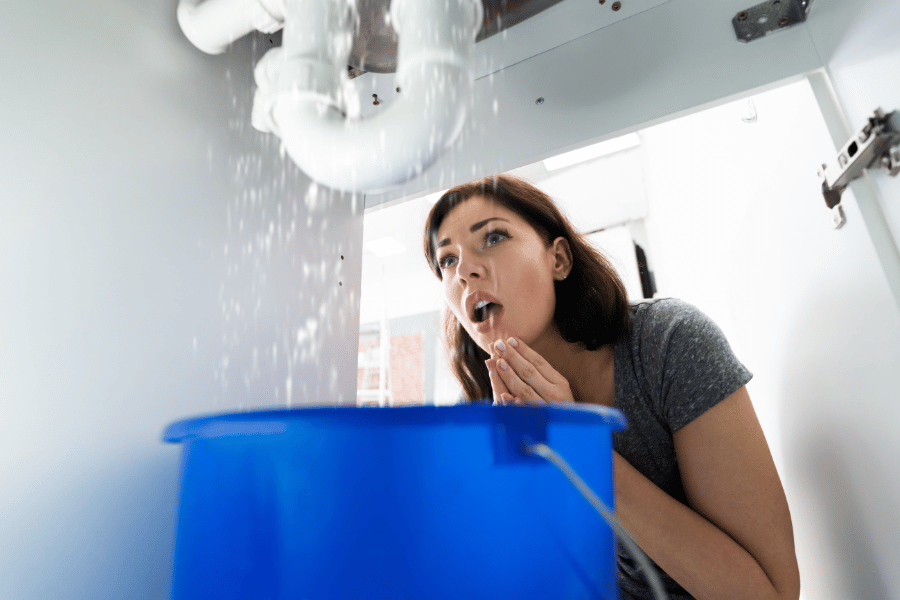
Spring plumbing maintenance can help you spot minor issues before they turn into larger and more expensive problems. If you notice leaks, slow drains, toilet problems, pipe concerns, water pressure issues, sump pump trouble, or other plumbing issues during your spring checklist, visit our Suffolk County plumbing services page to learn more about how VP Plumbing & Heating can help.
Before summer arrives, use the following spring plumbing maintenance tips to help keep your Suffolk County home running smoothly.
Bathroom and Kitchen Plumbing Tips
Make sure all of your drains have strainers. This simple and affordable step can help prevent hair, food scraps, and other debris from entering your drain lines and causing clogs.
Check your toilets for slow leaks. Toilet leaks can be difficult to notice, but they are one of the most common causes of water waste in a home.
Pro Tip: Add a few drops of food coloring to the toilet tank. Wait about 30 minutes, then check the bowl. If color appears in the bowl without flushing, you may have a hidden toilet leak.
Repair faucet leaks and drips. A leaky faucet can waste thousands of gallons of water per year. The source may be an old washer, gasket, cartridge, or other worn part. Before attempting any repair, make sure the water is turned off.
Clean hard water stains off showerheads and faucets. Public water can contain minerals that leave buildup on plumbing fixtures. If mineral buildup is a recurring issue, water treatment may be worth considering. In the meantime, soaking fixtures with vinegar can help remove stains and improve flow.
Check for pipe leaks. Winter weather can stress plumbing pipes, especially in colder or less insulated areas of the home. To check for signs of a leak, make sure no water is being used inside or outside the house, then watch the water meter. If the gauge continues moving, there may be a leak somewhere in the plumbing system.
Appliance Plumbing Tips
Check the water heater and consider flushing the tank. To reduce scalding risk and energy use, many homeowners keep the water heater set around 120°F. Spring can also be a good time to flush sediment from the tank, which may help improve efficiency and extend the life of the unit.
Consider whether your water heater is nearing the end of its service life. If it needs frequent repairs, struggles to keep up, or is more than 10 years old, replacement may be worth discussing with a professional.
Test the sump pump before heavy spring rain. Pour water into the sump pit and make sure the pump turns on, removes the water, and shuts off properly. If it does not run correctly, have it checked before the next storm.
Check washing machine and dishwasher supply hoses for leaks, cracks, bulges, or wear. These hoses handle regular water pressure and can weaken over time. In many homes, replacing older rubber hoses with stainless steel braided hoses can provide added protection.
Plumbing maintenance goes beyond the inside of your house. Clear debris from gutters and downspouts so water can drain away from the home properly and reduce the risk of moisture problems near the foundation.